
When people first encounter direct surface printing, they often associate the technology with wall graphics.
Painted walls are an important application, but they represent only part of what can potentially be achieved.
Depending on the material, finish and project conditions, direct-to-surface UV printing can be considered for a much broader range of suitable solid surfaces.
What Is Specialist Surface Printing?
Specialist surface printing involves applying artwork directly onto materials that sit outside the conventional painted-wall application.
Potential surfaces may include:
- Brick
- Concrete
- Wood
- Glass
- Ceramic
- Metal
- Acrylic
- Selected panels
- Other stable solid materials
Suitability varies considerably between projects, so materials, coatings and finishes should be reviewed before production.
In some cases, a sample or further test may be appropriate.
Working With the Character of the Material
One of the interesting aspects of direct printing is that the original surface does not necessarily need to disappear beneath the design.
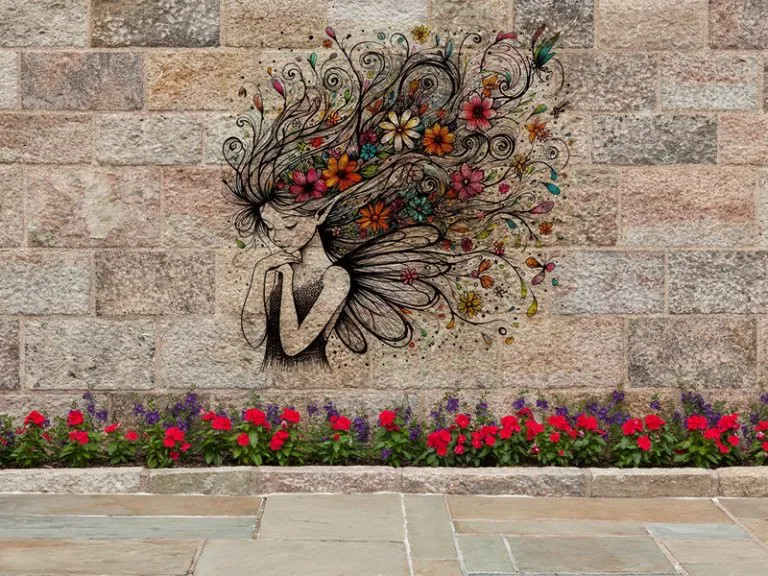
The texture of brick, grain of timber or character of another material can remain visible and become part of the finished visual.
This allows designers to work with the surface, rather than simply covering it.
For example, an illustration printed onto timber can interact visually with the natural grain, while graphics on suitable brickwork can retain the architectural texture beneath the artwork.
Glass and Panel Printing
Glass partitions and decorative panels are increasingly common throughout commercial interiors.
Direct printing can potentially be used to introduce:
- Branded graphics
- Decorative patterns
- Privacy treatments
- Wayfinding
- Abstract artwork
- Interior features
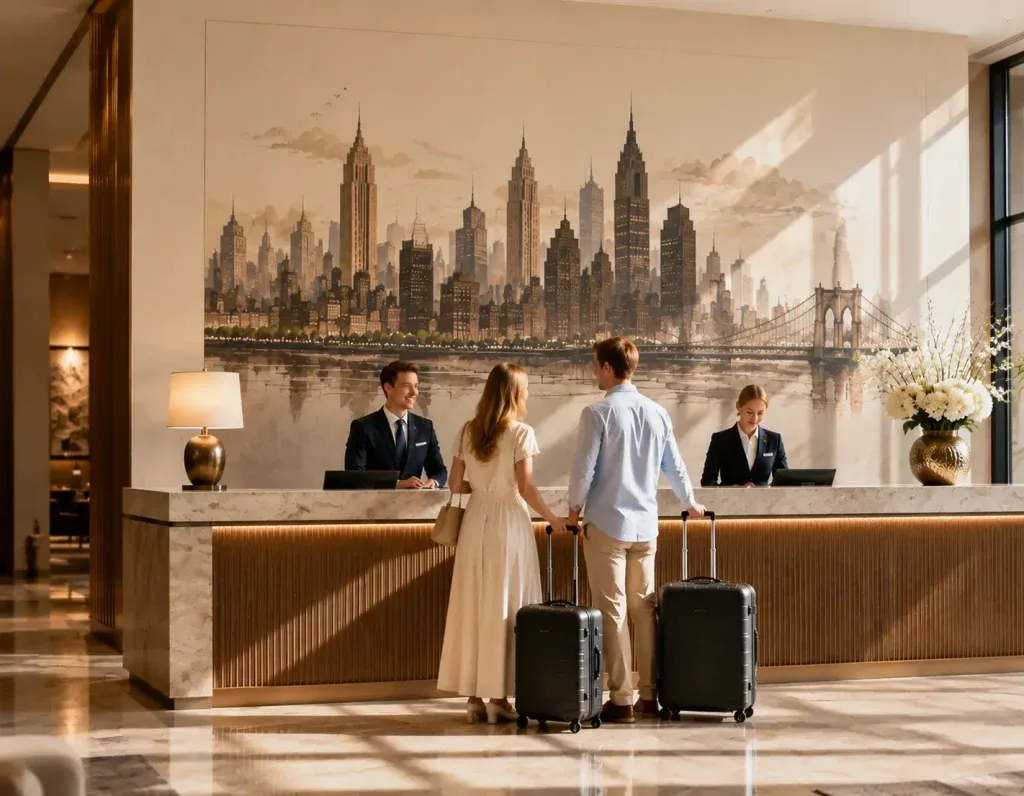
Applications can include offices, hospitality environments, reception spaces and selected retail interiors.
The precise approach depends on the glass or panel specification and the intended visual result.
Specialist Materials in Commercial Interiors
Using different printable surfaces can help a business create a more coordinated environment.
Instead of treating the wall graphic, glass partition and decorative panel as completely separate elements, they can form part of one wider visual concept.
This approach is particularly relevant to commercial interior branding, where the objective is to create a consistent experience across the space.
Surface Assessment Still Matters
A material being solid does not automatically mean it is ready for direct printing.
Factors such as coatings, contamination, texture, stability, access and condition can all affect feasibility.
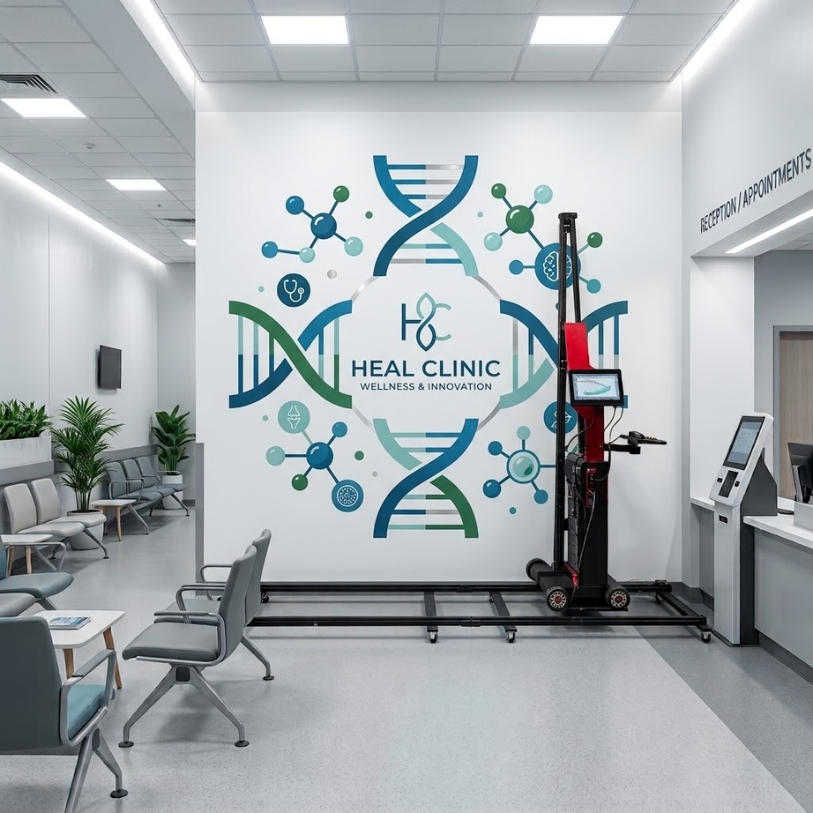
The available working area also needs to be considered, including a flat and level floor for the equipment.
SurfacePrint Solutions reviews each proposed application before confirming suitability.
Exploring What the Surface Could Become
Direct surface printing creates opportunities to look beyond conventional wall graphics and consider the material itself as part of the design.
For architects, interior designers, hotels, offices and commercial businesses, this can open up new possibilities for integrating graphics directly into existing environments.
If you have an unusual material or specialist surface in mind, the first step is to provide details, photographs and approximate dimensions so the project can be reviewed.